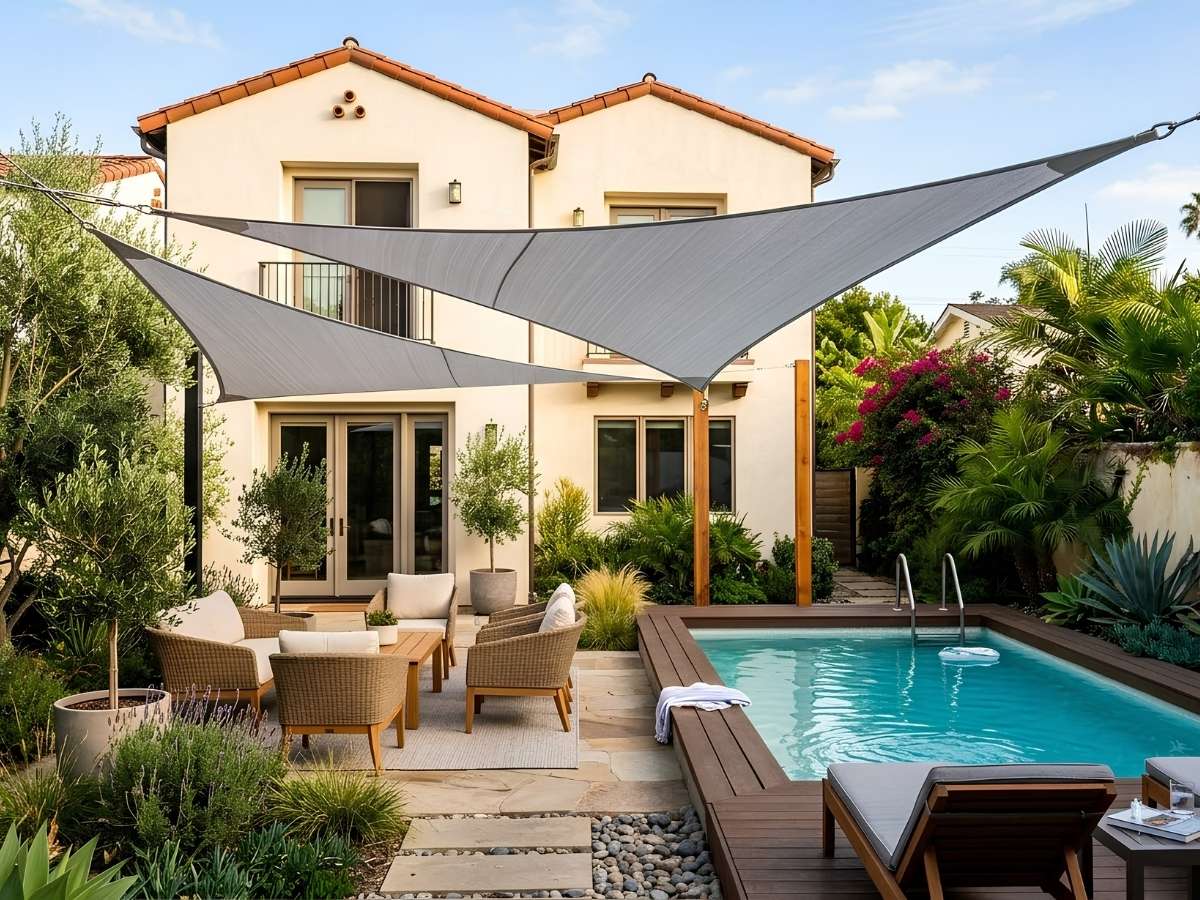
A freestanding awning is a versatile, standalone structure designed to provide shade, shelter, and style to outdoor spaces. Unlike wall-mounted awnings, it offers flexibility in placement and can be used in residential or commercial settings to protect decks, patios, gardens, and more from sun, rain, and other weather elements. From enhancing comfort on sunny afternoons to providing shelter during unexpected weather, a freestanding awning helps you get more use out of your outdoor space.

Understanding Freestanding Awnings
What Makes an Awning Freestanding?
A freestanding awning is not attached to a building or wall. Its structure relies on independent supports—often aluminum frames—and a durable fabric or waterproof covering. This setup allows it to be positioned anywhere outdoors, creating shade where it’s most needed.
Key Features:
- Portable: Some models are easy to move or adjust seasonally.
- Aluminum Frame: Lightweight yet strong, resistant to rust and corrosion.
- Waterproof Fabric: Protects against rain and sun, extending usability.
- Customizable Size: Available in small, medium, and large dimensions to fit decks, patios, or gardens.
Take a closer look at this custom Oak View installation and see how a freestanding aluminum awning enhanced outdoor living. Check it here!
Common Uses for Freestanding Awnings
Freestanding awnings serve a variety of purposes:
- Residential: Covering decks, patios, poolside areas, or garden seating.
- Commercial: Creating shaded spaces for outdoor dining, retail displays, or event setups.
- Weather Protection: Blocking sun, light rain, and UV exposure while providing a comfortable outdoor space.
- Flexibility: Can be relocated as needed, unlike fixed awnings.
Types of Freestanding Awnings

Portable vs. Permanent
- Portable Freestanding Awnings:
- Lightweight, easy to assemble, and suitable for temporary shade.
- Ideal for renters or seasonal use.
- Often foldable or retractable for storage.
- Permanent Freestanding Awnings:
- Robust structures anchored to the ground for stability.
- Can include motorized operation for ease of use.
- Suited for long-term residential or commercial installations.

Materials and Coverings
Component | Options | Benefits |
Frame | Aluminum, steel | Durable, weather-resistant, low-maintenance |
Fabric | Polyester, acrylic, waterproof blends | Blocks sun, shields rain, fade-resistant |
Motorization | Manual, motorized | Easy opening/closing, smart home integration |
Choosing the right awning starts with understanding your options. Learn how fabric and metal awnings compare before making a decision. Read here!
Benefits of Choosing a Freestanding Awnings
- Flexible Placement: Position over any outdoor area, including gardens, patios, and decks.
- Enhanced Comfort: Protects against sun, glare, and light rain, making outdoor spaces more usable.
- Durable Protection: Weather-resistant materials and solid frames extend the life of your outdoor space.
- Aesthetic Appeal: Enhances property appearance with sleek designs and custom colors.
- Optional Motorization: Convenient automated extension and retraction.
Installation and Maintenance

Freestanding awnings are relatively simple to install compared to wall-mounted systems. Proper installation ensures stability in windy conditions and longevity of both fabric and frame. Maintenance typically includes:
- Regular cleaning of the fabric and frame to prevent dirt accumulation.
- Checking anchoring points and frame stability.
- Applying waterproofing treatment to the fabric is recommended.
Frequently Asked Questions About Freestanding Awning
1. Can a freestanding awning withstand heavy rain?
Yes. Most freestanding awnings feature waterproof or water-resistant fabric, which effectively sheds rain. Proper installation ensures water runoff does not pool on the top.
2. Are freestanding awnings suitable for small gardens?
Absolutely. They can be customized in size and shape to fit limited spaces while still providing effective sun and weather protection.
3. Can I adjust the angle or tilt of a freestanding awning?
Yes. Some models include tilt or slope adjustments, letting you control sun and rain exposure throughout the day for maximum comfort and protection.
4. How long does a freestanding awning last?
With durable aluminum frames and quality fabric, freestanding awnings may last 10–15 years or more, depending on exposure to sun, wind, and weather.
5. Do freestanding awnings require professional installation?
While some portable or lightweight models can be set up by homeowners, larger permanent or motorized structures typically benefit from professional installation for stability and safety.
Invest in Outdoor Comfort Today
Freestanding awnings are a practical, stylish solution for creating outdoor comfort and shelter. Their versatility makes them ideal for residential patios, decks, and gardens, as well as commercial spaces needing reliable weather protection. With options for waterproof fabrics, aluminum frames, and even motorized operation, these awnings offer both convenience and durability.
Enhance your outdoor living or commercial area today with a freestanding awning designed for performance and style. Schedule a free in-home consultation with AAA Awnings to explore your options and find the perfect freestanding awning for your space.